The Art of Cartoons: How to Bring Your Characters to Life
- Oct 5, 2025
- 3 min read

Creating cartoons is more than just drawing funny figures; it's an art form that combines creativity, humor, and storytelling. Whether you're an experienced artist or just starting out, understanding the nuances of cartooning can help you develop characters that truly resonate. This post will provide essential techniques and tips to elevate your cartooning skills, making your characters more relatable and engaging.
Understanding Character Design
Character design lays the groundwork for any successful cartoon. It entails crafting a unique look and personality for your characters. Begin with sketching various shapes and features that embody your character's traits. For example, round shapes can signify friendliness, while sharp angles can convey edginess.
Consider color choices carefully, as they evoke specific emotions. Research shows that 85% of consumers make buying decisions based on color. A bright color palette might suggest a cheerful character, whereas darker tones can inform viewers about mystery or seriousness. Think of characters like SpongeBob SquarePants, who is instantly recognizable thanks to his bright yellow color and friendly rounded shape.
Developing a Backstory
A compelling backstory is vital for making your characters relatable. Take time to explore their motivations, fears, and desires. For instance, if your character is a shy artist, perhaps they struggled with self-confidence during childhood, which influences their behaviors today. A solid backstory not only deepens your character but also allows the audience to form a personal connection.
Consider the impact of their past on their current actions. A well-defined backstory enriches your storytelling and keeps your audience invested in your character's journey. According to a study, 88% of viewers feel more connected to characters when they know their backstories.
Mastering Expressions and Body Language
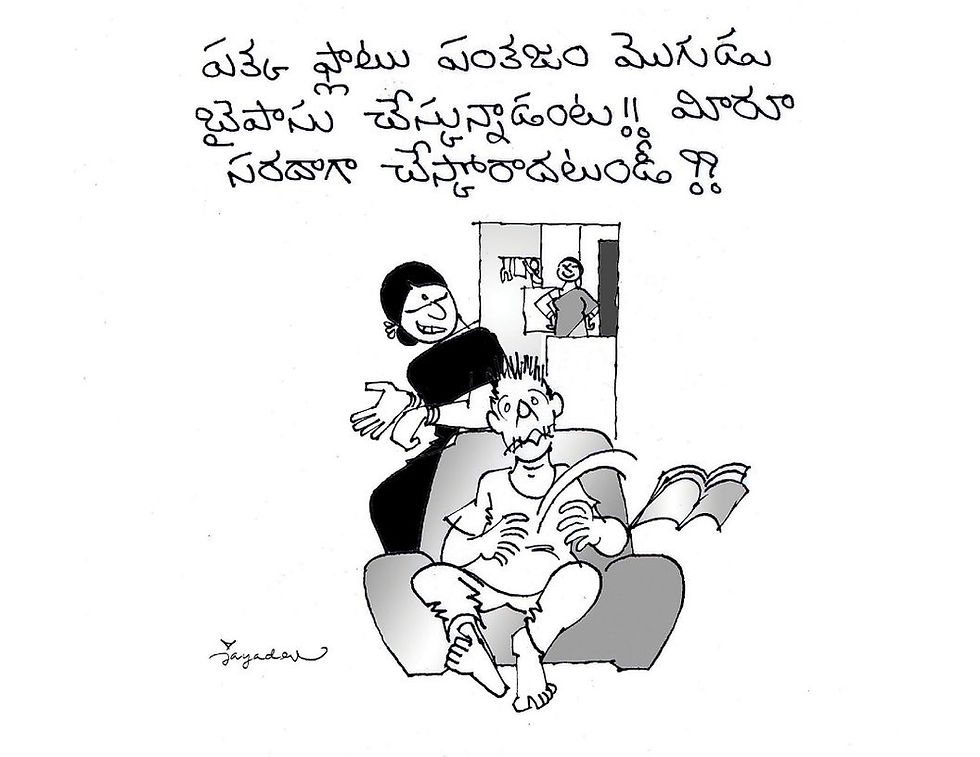
Cartoons thrive on exaggerated expressions and body language. Being able to convey emotions through facial expressions and posture is key. Practice illustrating your character in different emotional states, such as joy, sadness, anger, and surprise.
Simple shapes can effectively represent various emotions. A frown can be illustrated with a downward curve, while a smile can use an upward arc. Take inspiration from shows like "Adventure Time," where characters display clear, exaggerated emotions through their expressions. Body language is equally important; for instance, a character with a hunched back may indicate sadness, while one standing tall may exude confidence.
Incorporating Humor
Humor is a crucial ingredient in cartoons. You can achieve it through witty dialogue, visual gags, or absurd situations. Reflect on what makes you laugh and infuse those elements into your work.
Timing is essential when delivering a punchline; the way you pace your storytelling can significantly enhance the comedic effect. Think of classic cartoons like "Tom and Jerry," where timing makes all the difference. A well-timed gag can keep your audience engaged and laughing throughout.
Finalizing Your Artwork
After developing your characters and story, it's time to polish your artwork. Clean up your sketches, apply colors, and consider layouts if you are creating a comic strip or storyboard. Ensure the flow of panels is logical and easy to navigate.
Visual appeal is critical; it makes your work easy to follow and more enjoyable. A well-designed layout can guide your audience through the story effortlessly, enhancing their overall experience. Research suggests that well-structured visuals can increase audience retention by up to 60%.
Embracing Your Creative Journey
Bringing your cartoon characters to life is a fulfilling endeavor that combines creativity, practice, and a solid understanding of character development. By focusing on character design, backstories, expressions, humor, and finalizing your artwork, you'll create engaging and memorable cartoons.
The essence of successful cartooning lies in how well you connect with your audience. So, grab your sketchbook and let your imagination flow. Create characters that resonate and bring smiles to those who encounter them. Happy cartooning!


Comments